Can I eat spicy food with ulcerative colitis?
By Jude Horak, UC patient. Sources checked 2026-08-12.
Also searched as: chili, hot peppers, curry, chilli.
Have Crohn's instead? Jump to the Crohn's notes
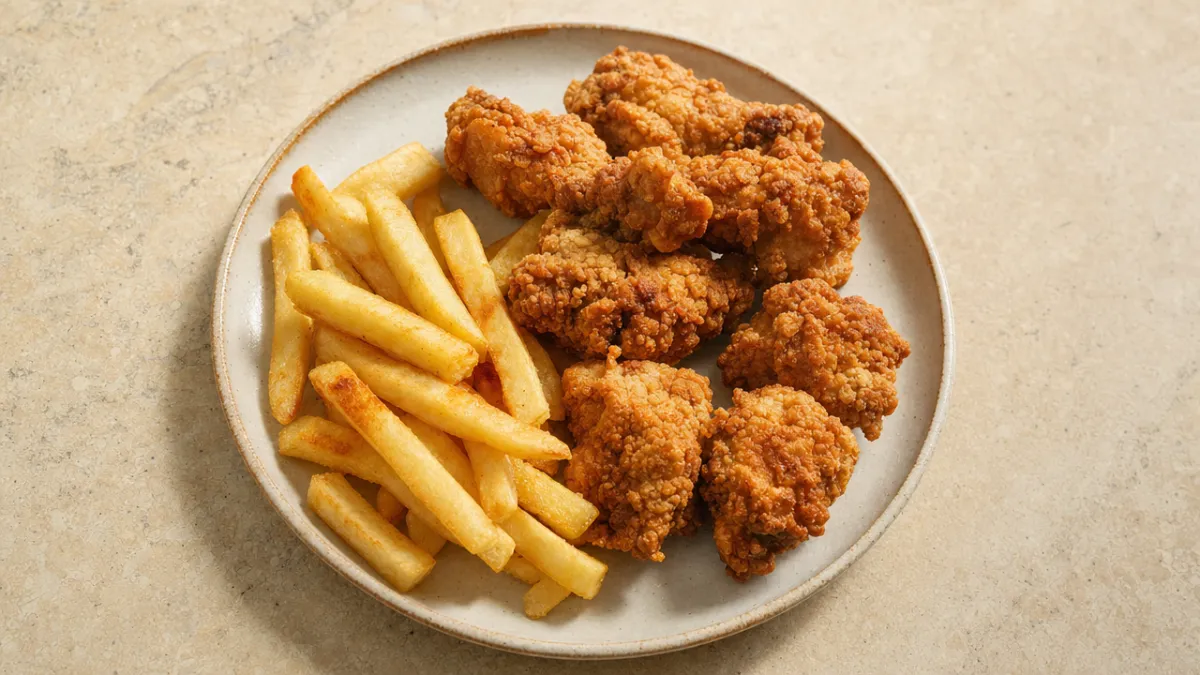
Capsaicin, the compound that makes peppers hot, can irritate the GI lining and speed up gut motility, and spicy dishes are commonly reported as a flare trigger. Spicy foods like chilli or curry are often flagged alongside fatty, fried preparations (fish in batter, meat pies) as things that can make symptoms worse during a flare-up. How the dish is prepared matters too, since heavy spice is frequently combined with fried or high-fat ingredients that add their own irritation.
During a flare
Many people scale back or skip hot spices during a flare, since capsaicin-heavy dishes are a commonly reported symptom trigger.
In remission
Tolerance is individual; some people reintroduce milder spice levels gradually in remission and track their response with a food diary.
What the research says about spicy food and UC
Cleveland Clinic places spicy food on its list of things that commonly aggravate symptoms in Crohn's disease, alongside fried and high-fat dishes, and the reasoning carries over to ulcerative colitis: capsaicin stimulates nerve receptors in the gut wall, which for some people speeds transit and adds cramping. Crohn's & Colitis UK's patient leaflet on food takes a similar line, noting that spicy meals are among the foods people frequently report as worsening symptoms during a flare, and it recommends keeping a food diary rather than cutting out whole categories on assumption.
What neither source offers is a controlled trial of chili or curry in people with UC. The PMC review on nutrition and supplementation in ulcerative colitis discusses overall dietary patterns, fiber during flares, and processed food, and it treats spice as one component of a diet rather than as a studied trigger in its own right. So the advice here is extrapolated from general IBD guidance and from patient reports, not from spice-specific evidence. It is also worth separating heat from flavor: many warm spices such as turmeric, cumin, and ginger carry no capsaicin, and the sources' concern is aimed at chili-type heat, often served inside fatty or fried dishes that bring their own problems.
If you have Crohn's instead of UC
I have UC, not Crohn's, so this part is research rather than experience.
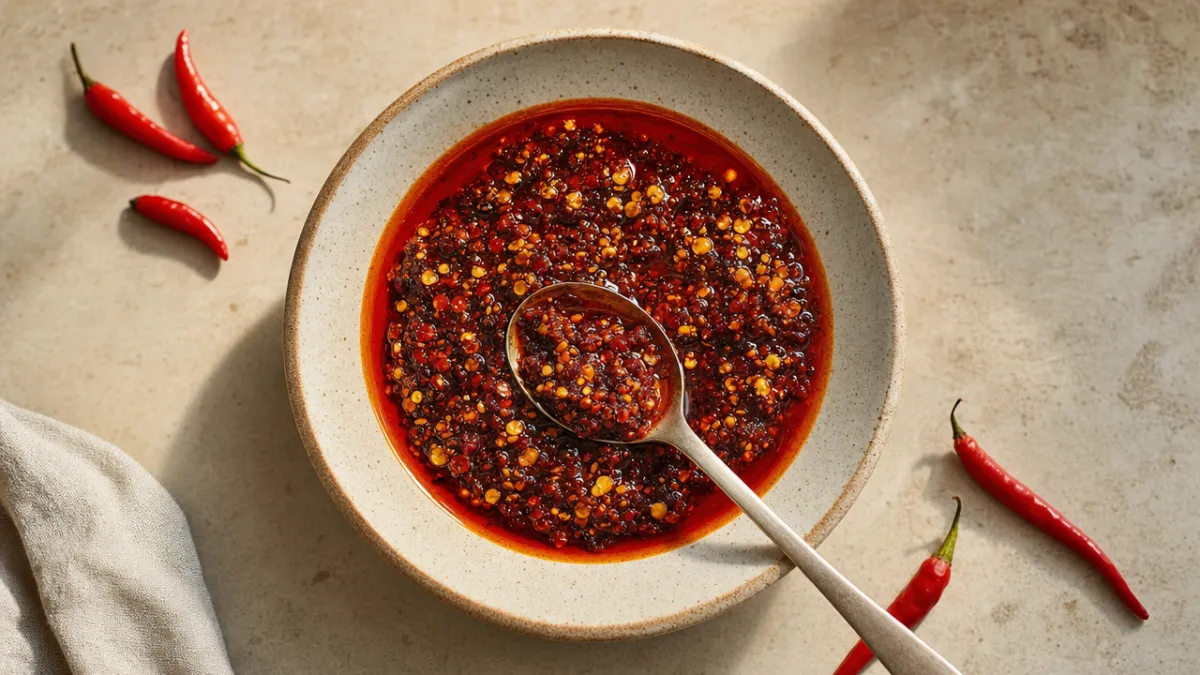
Spicy food usually changes for Crohn's only when there is a stricture, and even then the concern is the pieces of pepper rather than the heat. Cleveland Clinic's flare advice lists spicy foods for Crohn's and ulcerative colitis alike, so capsaicin is not a Crohn's-specific worry. The form of the chili is. Crushed red pepper flakes are dried pepper skin and seeds, and freshly chopped chilies keep their skins, which puts both in the group of vegetable skins and seeds that Crohn's & Colitis UK says people with a narrowing may be advised to avoid.
Chili powder, cayenne, or a smooth blended sauce brings the same heat with no fragments to catch. Cleveland Clinic's low-fiber guide frames the goal for strictures as food reduced to small particles before it reaches the narrowed section. If you are unsure whether you have one, your gastroenterologist can tell you, and that answer decides whether the form of the spice matters at all.
Based on: Cleveland Clinic; Crohn's & Colitis UK; Cleveland Clinic. More on how Crohn's and UC diets differ.
Ways to make it gentler
- Use milder spice blends instead of very hot chili powder or cayenne
- Separate spice from fried preparation so you're not combining two triggers at once
Safer swaps
- herbs like basil or oregano
- mild paprika
- ginger
How I handle spicy food
I treat heat as a dial, not a switch. On a normal week I cook with plenty of cumin, coriander, turmeric, smoked paprika, and ginger, and I keep the chili separate so I can add it to my own plate last. That way the rest of the meal is never the problem, only the amount of heat I chose. When my gut feels unsettled I drop to zero chili for a few days and keep the warm spices, which still makes food taste like something. Eating out, I ask for mild and for any hot sauce on the side, and I skip dishes where the heat is built into a heavy, oily base like a vindaloo or a chili-oil noodle. If I want a curry I lean toward a coconut or yogurt-based one with a mild spice level and plain rice.
How much, and how to test it
Start with the equivalent of a small pinch of chili flakes or a quarter of a mild fresh pepper in an otherwise bland meal you already tolerate, such as rice and chicken. Keep everything else in that meal unchanged so the pepper is the only new variable. Over the next day or two, note urgency, cramping, and whether stools loosen or show more mucus. If nothing shifts, double the amount at the next test a few days later. Back off entirely if you notice burning on the way out, extra trips, or bleeding, and wait for a calm stretch before trying again.
What you get from spicy food
Chili peppers themselves bring vitamin C and a little potassium, but the amounts used in a dish are small enough that spice is not a meaningful nutrient source either way. The bigger nutritional question is what spice is attached to: a mild, well-spiced lentil dal or a chicken curry can deliver protein and calories that matter when a flare has cut your appetite, while a fiery fried dish delivers fat and heat with little you need. Choose the vehicle, then decide on the heat.
Why this one shows up on trigger lists
Spicy Food is flagged for 2 of the properties that most commonly cause UC symptoms. Each page explains the mechanism and lists every other food that carries it.
Questions people ask about spicy food and UC
What spices can you have with colitis?
Most people find the warm, non-hot spices easiest: cumin, coriander, turmeric, ginger, cinnamon, sweet paprika, and dried herbs such as oregano, thyme, and basil. These add flavor without capsaicin. The ones most often trimmed during a flare are cayenne, chili powder, crushed red pepper, fresh hot chilies, and hot curry blends. Black pepper sits in between; small amounts are usually fine, though heavy use bothers some people. Testing one at a time is the surest way to build your own list.
Are bell peppers bad for ulcerative colitis?
Bell peppers contain no capsaicin, so the spice concern does not apply. What some people react to is the skin and seeds, which are fibrous and can be rough during a flare. Roasted or well-sauteed peppers with the skin peeled off and seeds removed are usually gentler than raw strips in a salad. In remission many people eat them freely; during a flare, cooked and peeled is the more cautious starting point.
Is soy sauce a problem with ulcerative colitis?
Soy sauce is not spicy, and it is low in fat and fiber, so it does not hit the usual triggers. Its main issue is sodium, which can matter if you are losing fluid to diarrhea and trying to stay hydrated. Wheat-containing soy sauce also matters for anyone avoiding gluten. A small splash on rice is usually tolerated; a bowl of heavily sauced, chili-laced stir-fry is a different question because of the chili and oil, not the soy.
Can someone with colitis eat ajvar?
Ajvar is a roasted red pepper and eggplant spread, and most versions are mild rather than hot, so capsaicin is not usually the concern. It does carry oil, sometimes a fair amount, plus some fiber from the vegetable skins and seeds, and jarred versions may add vinegar and sugar. Many people find a thin spread on soft bread manageable in remission. Check the label for a hot variety, and start with a spoonful rather than a heavy layer.
Can you eat chili or curry with Crohn's disease?
Often the rest of the pot matters more than the spice. Chili con carne usually carries whole beans and chunks of pepper, and beans sit on Cleveland Clinic's list of foods to avoid on a low-fiber diet, so with a stricture the beans may be the bigger issue. Curries with tender, slow-cooked meat and soft vegetables are easier on a narrowing than ones with chewy meat or whole chickpeas. If your Crohn's is limited to the colon with no narrowing, spicy dishes are usually approached much as the UC advice above describes.
Sources
- What Not to Eat If You Have Crohn's Disease (Cleveland Clinic)
- Food (patient information leaflet) (Crohn's & Colitis UK)
- Nutrition and Supplementation in Ulcerative Colitis (PMC (National Library of Medicine))
- Food and Crohn's or Colitis (Crohn's & Colitis UK)
- How To Follow a Low-Fiber Diet (Cleveland Clinic)
Written by Jude Horak, a UC patient. Sources last checked 2026-08-12. Spotted an error? Tell me.
Next steps
Related foods