Can I eat candy with ulcerative colitis?
By Jude Horak, UC patient. Sources checked 2026-08-12.
Also searched as: sweets, hard candy.
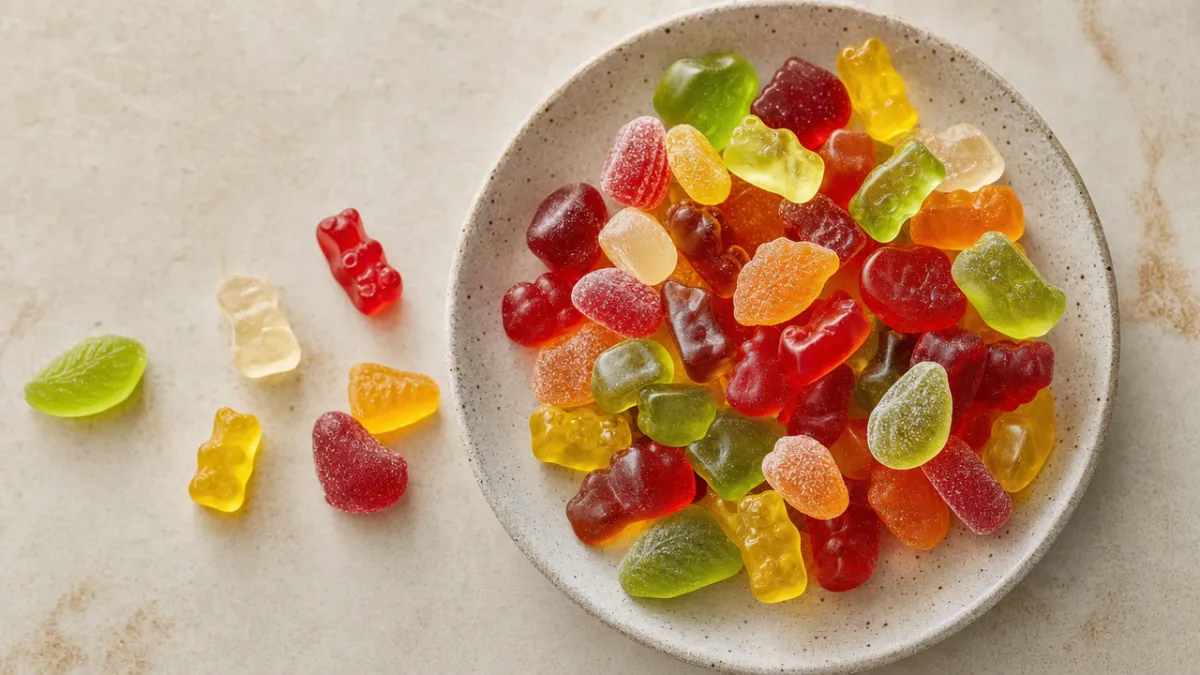
Simple sugar-based candies (boiled sweets, caramels, marshmallows) are low in fiber and fat and are grouped among permitted low-residue treats, but a high-sugar diet has been linked in research to reduced gut-protective short-chain fatty acids. Many 'sugar-free' candies substitute sugar alcohols that draw water into the bowel and ferment, commonly causing gas and diarrhea.
During a flare
Plain, regular-sugar candy in modest amounts is often tolerated during flares better than sugar-free versions, which commonly trigger bloating and loose stools from sugar alcohols.
In remission
Most people tolerate candy in moderation in remission; spacing out sweets and checking labels for sorbitol, mannitol, xylitol, or maltitol can help avoid the sugar-alcohol effect.
What the research says about candy and UC
The low-residue diet sheet from University Hospitals Sussex NHS Foundation Trust is the source behind the permitted-treat framing on this page: plain sugar confectionery such as boiled sweets, caramels, and marshmallows contains no fiber, so it passes a diet designed to reduce residue while the bowel is inflamed. That is a statement about fiber, not about whether sugar is good for colitis, and the sheet is general low-residue guidance rather than ulcerative colitis research. Two PMC papers fill in the sugar side, from opposite directions.
The first is a mouse study in which a diet of 50 percent sucrose for two days, followed by chemically induced colitis, produced worse inflammation, lower short-chain fatty acids, and a leakier gut than normal chow. It is a reason for moderation, but it is an extreme animal model and says nothing directly about a person eating a caramel. The second is a case report of chronic diarrhea in a patient caused by sugar-free gum, where the authors note that sorbitol causes gas, urgency, bloating, and cramps in a dose-dependent way at roughly 5 to 20 grams a day and diarrhea above 20 grams. That is the most concrete evidence on this page, and it applies to sugar-free candy far more than to regular candy. Neither paper studied confectionery in people with UC.
Ways to make it gentler
- check labels for sugar alcohols and limit sugar-free versions
- space out sweets rather than eating a large amount at once
Safer swaps
- small portions of regular (non-sugar-free) hard candy
- fruit leather in remission
How I handle candy
Candy is the snack where I read the back of the packet before the front. Regular hard candy, caramels, and marshmallows in small amounts have been part of how I get calories in during a flare when nothing else appeals, since there is no fiber and nothing to chew through. What I am strict about is the sugar-free aisle. Anything sweetened with sorbitol, maltitol, xylitol, or isomalt goes back on the shelf while I am symptomatic, because those draw water into the bowel and I do not want to guess whether a bad afternoon was the disease or the sweets. I also keep to a few pieces at a time rather than grazing through a bag, because a steady stream of sugar over an evening tends to make my gut busier than one piece after dinner. Gummies with real fruit pieces or coconut wait for remission. Once I am well, normal amounts of normal candy are not something I think about.
How much, and how to test it
Start with two or three pieces of regular hard candy or a small handful of marshmallows, around 20 grams, after a meal. Check the ingredient list first for sugar alcohols, which are the words ending in -itol, and set anything containing them aside for now. Over the next several hours and the following day, note bloating, gas, urgency, or loose stools; sugar effects tend to show quickly rather than after days. If plain candy passes, sugar-free versions can be tested separately in remission, one or two pieces at a time, since the polyol effect is dose-related.
What you get from candy
Candy is close to pure sugar: hard candy and marshmallows run about 320 to 400 calories per 100 grams with no protein, no fiber, and no meaningful vitamins or minerals. It is empty energy, but empty energy has a place during a flare when appetite is gone and weight is falling, and the lack of residue is exactly why it appears on low-residue lists. Sugar-free versions swap sugar for polyols, which cut the calories but bring the laxative effect. Chocolate-based candy adds fat and a little calcium.
Why this one shows up on trigger lists
Candy is flagged for 2 of the properties that most commonly cause UC symptoms. Each page explains the mechanism and lists every other food that carries it.
Questions people ask about candy and UC
Are marshmallows easy to digest?
Yes, as far as fiber goes. Marshmallows are sugar, corn syrup, and gelatin with a little starch, so there is nothing for the gut to work on mechanically, and they appear among the permitted sweets on low-residue guidance. They are mostly sugar, so a large amount can loosen stools for some people, and they dissolve so quickly that it is easy to eat a lot without noticing. A few at a time after a meal is the common approach during a flare.
Can candy cause constipation?
Regular candy is more often linked to loose stools than constipation, because it is sugar with no fiber and a big dose of sugar can draw water into the bowel. What can contribute to constipation is the broader pattern: a day of candy, refined snacks, and little fluid or fiber, which is a common shape for flare eating. Sugar-free candy goes the other way entirely, since polyols such as sorbitol are known to loosen stools.
Is chocolate candy bad for colitis?
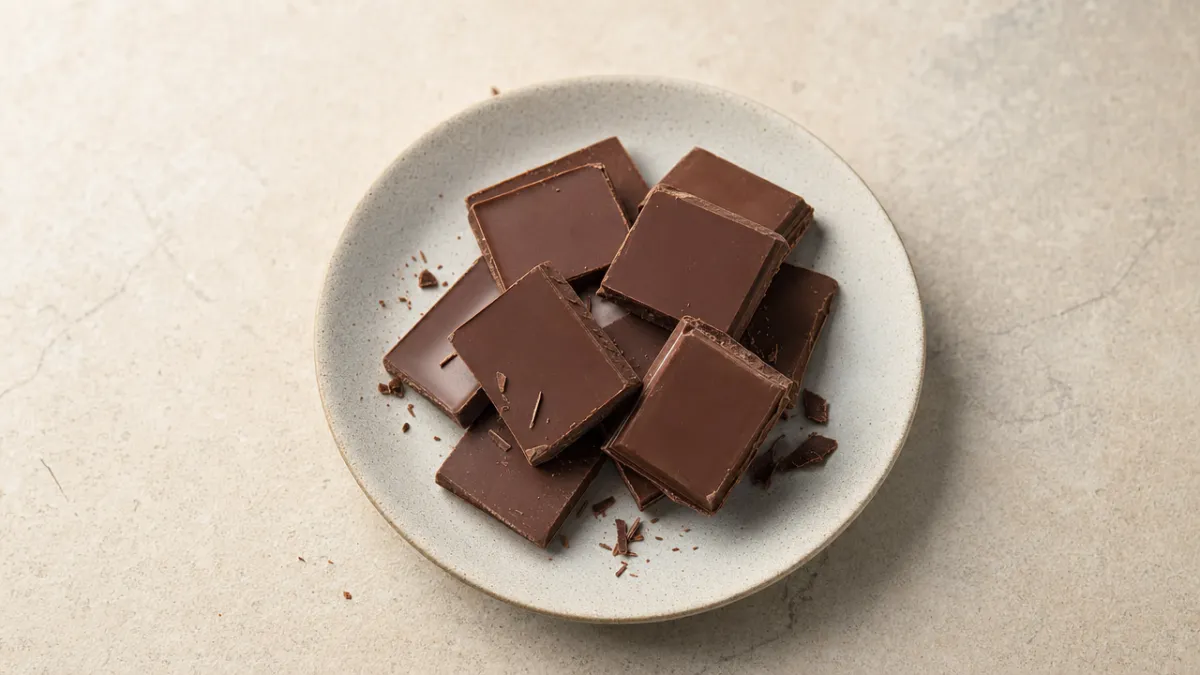
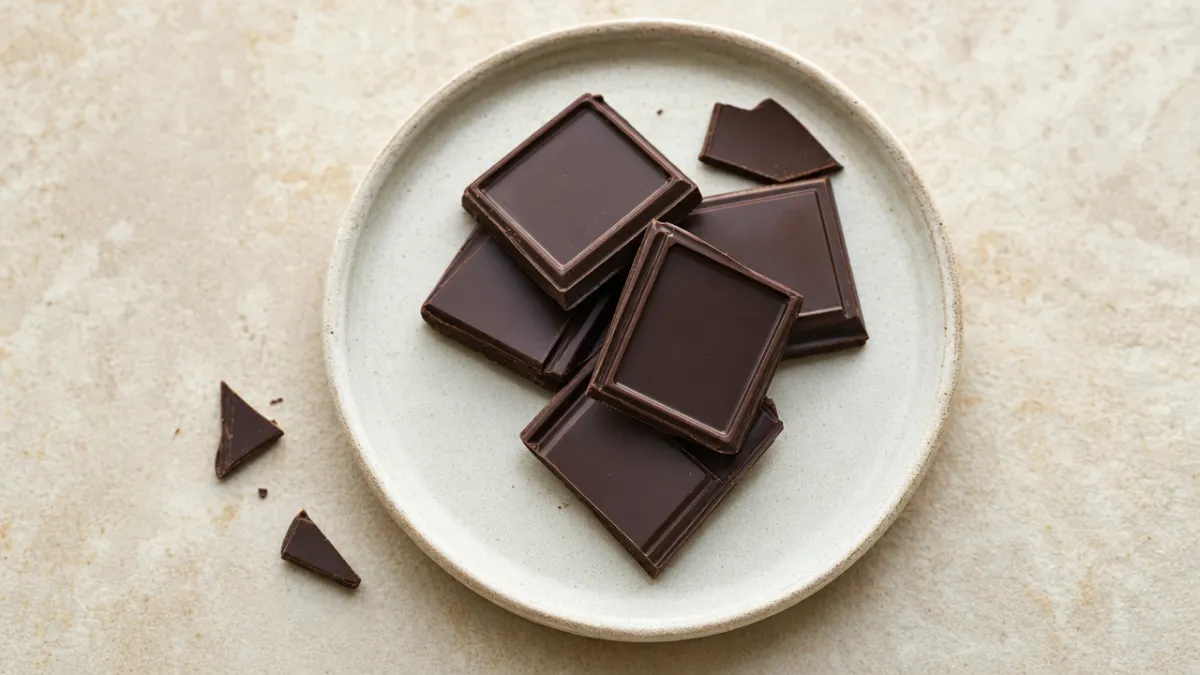
Plain chocolate candy behaves much like chocolate itself: modest amounts are commonly tolerated, and the trouble usually comes from mix-ins and portion size. Candy bars are where the extras pile up, with nuts, caramel, nougat, wafer, and coconut stacked in one item, which is why low-residue sheets exclude nougat and nut-studded chocolate while permitting plain bars. A couple of plain chocolate pieces after a meal is a different proposition from a full-size loaded bar.
Why does sugar-free candy give me diarrhea?
Because of the sweeteners. Sugar-free candy is usually built on sorbitol, maltitol, xylitol, or isomalt, which are absorbed slowly and incompletely in the small intestine, pull water into the bowel, and get fermented by gut bacteria. The PMC case report cited here puts the symptom threshold at roughly 5 to 20 grams of sorbitol a day, with diarrhea above that, and a bag of sugar-free sweets can reach those amounts quickly. Regular candy does not have this effect.
Sources
- Low residue diet (University Hospitals Sussex NHS Foundation Trust)
- A high-sugar diet rapidly enhances susceptibility to colitis via depletion of luminal short-chain fatty acids in mice (PMC)
- Sorbitol: Often forgotten cause of osmotic diarrhea (PMC)
Written by Jude Horak, a UC patient. Sources last checked 2026-08-12. Spotted an error? Tell me.